
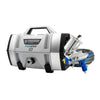
FujiSpray D6 Turbine: The Powerhouse 6-Stage HVLP Sprayer for Precision Finishing
, by Vidar Berg, 15 min reading time
, by Vidar Berg, 15 min reading time
Wondering if the Fujispray D6 turbin is worth it? Learn what 6-stage power means, how it performs, how it compares to other Fuji models, and setup tips for pro-level finishes.

If you’re researching a high-end HVLP system, the Fujispray D6 turbin often shows up as a top option for serious finishing work. This section is designed to help you navigate what it is, what “6-stage” really means, and why that matters before you choose a turbine-based sprayer. A turbine setup differs from compressor-driven HVLP because it generates warm, consistent airflow at the source. That design can simplify your workspace and reduce equipment complexity. When you understand the core capabilities of the Fujispray D6 turbin, you can match it to your coatings, your spray gun preferences, and the type of projects you finish most.
The Fujispray D6 turbin is a 6-stage HVLP turbine unit built to power a spray gun with strong, steady airflow. You pair it with an HVLP gun and hose to atomize coatings and deliver a controlled spray pattern. Many users choose a turbine system when they want a cleaner layout than a compressor setup and they value predictable performance from job to job. The D6 platform is typically considered for fine finishing, where consistent atomization and smooth film build matter more than raw speed.
A 6-stage turbine uses multiple fan stages to build higher pressure while keeping airflow stable. In practical terms, that can help you spray thicker materials with less thinning and maintain a consistent pattern across longer passes. With the Fujispray D6 turbin, the goal is not only power, but control at the gun. More available pressure lets you tune fluid and fan settings without forcing you into extremes. That flexibility can be useful when you switch between primers, clear coats, or pigmented finishes.
In HVLP, stage count influences how much air pressure and volume you can deliver to the air cap. Six stages can translate into stronger atomization headroom, especially with higher-viscosity coatings. That matters when you want to reduce orange peel, improve leveling, and keep overspray manageable. The Fujispray D6 turbin also benefits users who need reliable results across different temperatures and material behaviors. A well-tuned 6-stage turbine can help you maintain a wet edge and consistent pattern width without fighting the equipment.

Performance is where a turbine system either earns its place in your shop or becomes a compromise. The Fujispray D6 turbin is typically chosen for fine finishing because it aims to deliver strong atomization while preserving the HVLP advantage of controlled transfer efficiency. If your priority is a clean finish with fewer defects, you should focus on how the turbine supports stable airflow, repeatable gun settings, and predictable material behavior. The following points break down finish quality, what the extra stages deliver, and practical HVLP turbine sprayer benefits you can expect across common coating types.
Better atomization helps the coating lay down evenly, which supports gloss, clarity, and consistent film thickness. With the Fujispray D6 turbin, you can often dial in a fine mist without pushing fluid settings too far. That balance helps reduce dry spray and can limit the need for aggressive sanding between coats. You still need correct viscosity, needle/nozzle sizing, and technique, but stronger atomization gives you a larger “sweet spot.” For doors, cabinets, and furniture parts, that control can show up as smoother passes and fewer touch-ups.
Extra turbine stages can give you usable pressure that holds up when you widen the fan or increase fluid flow. That matters when your project demands both coverage and a refined surface. The Fujispray D6 turbin can help you keep a consistent pattern at typical working distances, which supports even overlap and reduces striping. Efficiency also comes from fewer reworks. When the spray pattern stays stable, you spend less time chasing defects caused by inconsistent airflow, marginal atomization, or uneven material delivery.
HVLP turbine sprayer benefits include better transfer efficiency than many high-pressure methods, plus a more contained overspray profile when you tune the gun well. A turbine system can also simplify setup because you avoid a large compressor, filters, and moisture management in many environments. The Fujispray D6 turbin fits users who move between substrates and coatings, such as water-based finishes, enamels, lacquers, and clears. You still need proper ventilation and safety practices, but HVLP helps you place material where you intend it to go.

Choosing between turbine models is easier when you compare capability to your actual workflow. Instead of chasing the highest stage count by default, focus on the coatings you spray, the surface quality you expect, and how often you work with thicker products. The Fujispray D6 turbin is commonly evaluated against other Fuji options because it sits in a performance-oriented category. The comparisons below highlight what to consider in a Fuji Spray D6 vs D100 discussion and in a Fuji Spray T70 comparison, so you can identify the best match for your finishing needs.
In a Fuji Spray D6 vs D100 evaluation, the useful question is how much atomization headroom you need for your coatings and production pace. The Fujispray D6 turbin focuses on strong turbine performance and flexibility for demanding finishes. Another model may target a different workflow, such as high-volume environments or specific accessory ecosystems. When you compare them, look at the coatings you plan to spray most, your typical tip sizes, and whether you want extra margin for thicker products. That approach leads to a practical decision, not a spec-sheet one.
A Fuji Spray T70 comparison often comes down to how the turbine pairs with the spray gun, air cap selection, and the feel of the system during long sessions. The Fujispray D6 turbin is usually considered when you want strong performance without giving up fine control at the gun. If you already know the gun you prefer, confirm hose compatibility and verify that the turbine output supports your target fan width and material. You will get the best results when the turbine, gun, and needle/nozzle set work as a tuned system.
Choose the Fujispray D6 turbin when you want a finishing-focused turbine with enough pressure to handle a range of coatings while keeping HVLP control. It can make sense if you regularly spray furniture-grade surfaces, cabinets, or built-ins and you want repeatable results. It also fits users who want flexibility to adjust technique, fan size, and fluid flow without running into performance limits. If your work includes thicker primers or high-solids products, the extra headroom can reduce thinning and keep your process more consistent.

User experience matters because turbine systems live and die by setup speed, predictability, and how easy they are to keep running. When you read feedback, separate finish results from technique variables like surface prep and viscosity control. A well-matched turbine and gun still require practice, but the system should feel stable and responsive. The Fujispray D6 turbin is often discussed in terms of smooth atomization, consistent airflow, and the ability to handle demanding coatings. Below is a practical way to interpret Fuji Spray D6 review content, especially if you are buying your first turbine.
In many Fuji Spray D6 review threads, users emphasize finish clarity, improved leveling, and stable performance across long passes. They often point to predictable adjustment behavior, where small changes at the gun produce repeatable results. When you read reviews, look for details on the coatings used, the tip size, and the spray distance. Those factors affect outcomes more than general impressions. The Fujispray D6 turbin tends to earn positive feedback when users dial in viscosity and use the right needle/nozzle for the material.
Beginners usually succeed faster when they use a consistent setup routine. Start by setting material viscosity to the manufacturer’s guidance, then choose a tip size that suits the coating. With the Fujispray D6 turbin, you can focus on controlling pattern width, fluid flow, and speed rather than fighting weak atomization. Practice on scrap panels and adjust one variable at a time. Maintain a steady distance, keep the gun perpendicular, and overlap each pass consistently. These habits reduce common defects, such as dry spray, runs, and uneven coverage.
Longevity improves when you treat cleaning as part of the spraying process, not an afterthought. Flush the gun and hose path as recommended for your coating type, and avoid letting material cure inside the fluid passages. Keep filters clean and protect the turbine from dust-heavy environments. The Fujispray D6 turbin should deliver consistent airflow when you maintain unobstructed intake and follow the service guidance for wearable parts. Replace seals and needles when performance changes, and store the system so hoses do not kink or stress fittings.
Professional results come from a system approach: surface prep, coating selection, correct viscosity, and controlled technique. The Fujispray D6 turbin supports that workflow by giving you the airflow headroom to fine-tune atomization and pattern stability. Still, the best finish happens when you set up repeatably and test before you spray the actual workpiece. Use sample boards, record your settings, and keep notes on temperature and humidity. That habit helps you reproduce results and reduces wasted material. The sections below focus on pattern control, common applications, and how to pair a gun to your turbine for consistent outcomes.
Start with a medium fan and moderate fluid, then increase coverage gradually while watching the wet edge. With the Fujispray D6 turbin, aim for a uniform pattern with no heavy edges or dry center. Keep your passes parallel, overlap about half the fan width, and move at a steady pace. If you see orange peel, adjust viscosity, atomization, or distance before adding more fluid. If you see runs, reduce fluid flow or slow down less. Confirm pattern shape on masking paper at the start of each session.
The Fujispray D6 turbin can fit many finishing categories because HVLP emphasizes controlled placement and refined surfaces. In woodworking, it supports clear coats, pigmented enamels, and cabinet finishes when you tune the gun and tip correctly. For automotive-style work, users often focus on uniform atomization and smooth clears on smaller parts or spot applications, depending on the coating system used. It also suits doors, trim, built-ins, and furniture where consistency matters. Always follow coating labels for flash times, recoat windows, and safety requirements.
Your spray gun choice affects how you experience the Fujispray D6 turbin more than most buyers expect. Prioritize comfortable ergonomics, accessible controls, and a wide range of needle/nozzle options. Match air cap and tip size to the coating, not just the project size. A larger tip can help with thicker primers, while a smaller tip often improves control on clears and fine enamels. Confirm that the gun supports easy cleaning and that replacement parts are readily available. A well-matched gun turns turbine power into usable finish quality.
The Fujispray D6 turbin makes the most sense for finishers who value control, consistent atomization, and flexibility across coatings. Its 6-stage turbine design can support refined surfaces while keeping the HVLP approach focused on transfer efficiency and manageable overspray. If you want a turbine system that can grow with your skills, the D6 category is often a strong fit. Before you decide, review the coatings you spray most, the quality level you need, and the gun setup you prefer. Those factors will guide you to a purchase that supports your workflow.
The core advantages of the Fujispray D6 turbin include strong atomization headroom, stable airflow for repeatable patterns, and compatibility with a range of finishing tasks. It can reduce the guesswork that comes from marginal turbine output, especially when you widen the fan or spray more demanding coatings. Many users also appreciate the streamlined turbine layout compared to more complex shop air systems. If your projects demand smooth clears, consistent coverage, and fewer finish defects, the D6 feature set aligns well with those goals.
To make the right call, define your “must-have” outcomes first, such as a furniture-grade finish, faster production, or better control on detailed work. Then match those needs to a proven setup: correct viscosity, appropriate tip size, and a gun you can tune confidently. The Fujispray D6 turbin is a strong candidate when you want performance margin for different coatings and a finishing-first experience. If you’re ready to move forward, navigate to the product page, confirm included accessories, and choose a gun configuration that fits your coatings and projects.